01
When periodic cleaning is reasonable
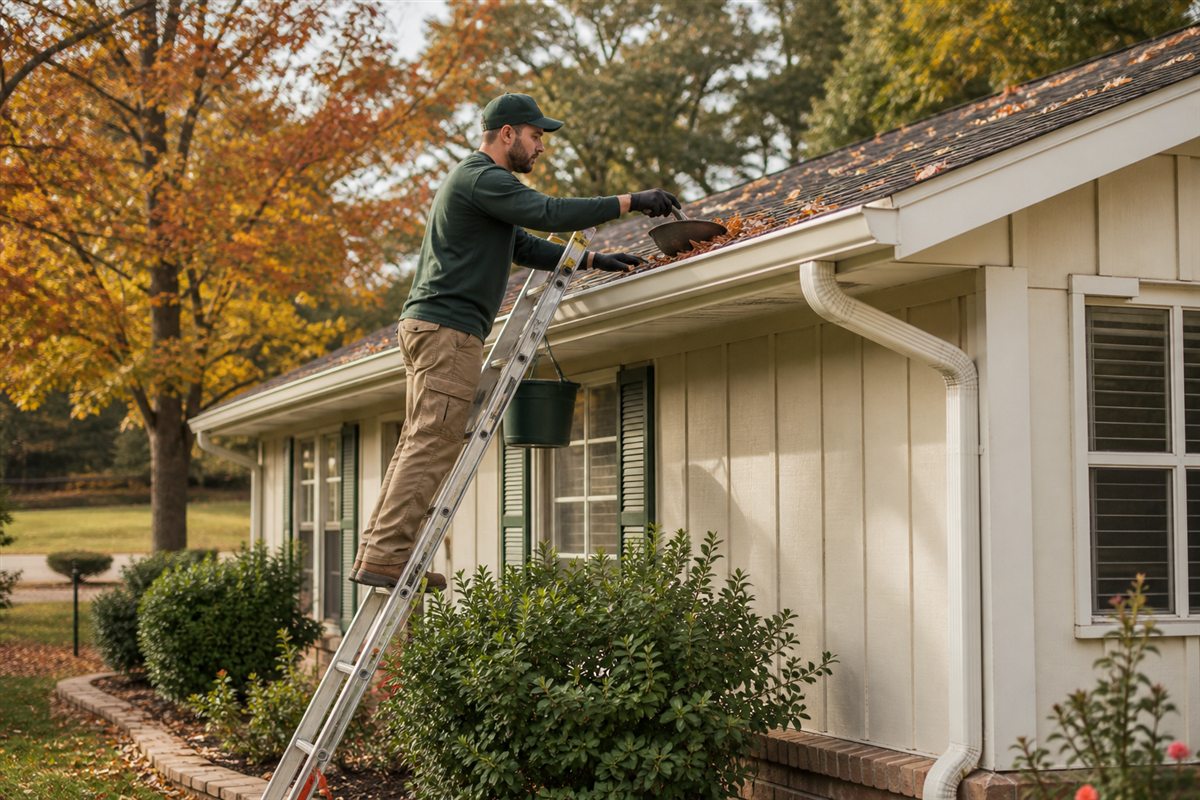
Homes with modest debris, easy one-story access and a sound system may be well served by scheduled inspection and cleaning. Cleaning also provides a regular opportunity to spot loose hangers, sealant failure and roof-edge issues.
02
When guards deserve consideration
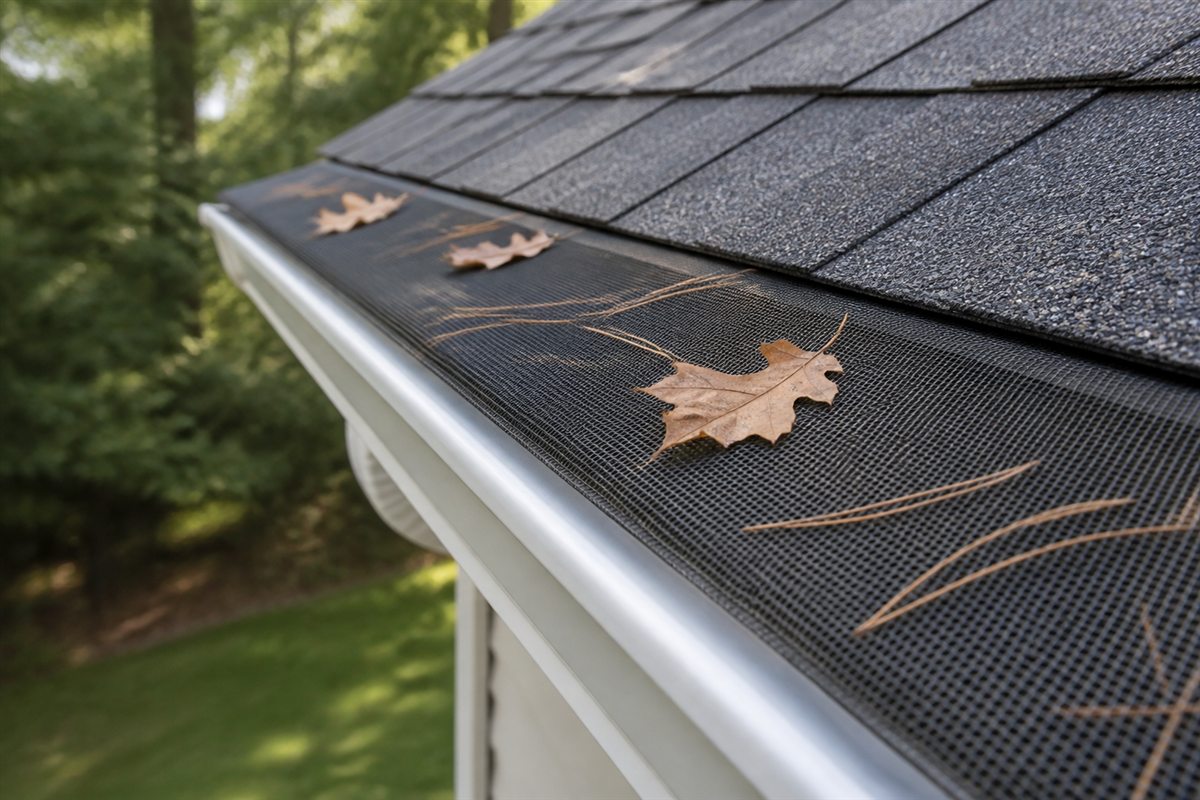
Frequent clogs, mature trees and difficult access can shift the balance toward guards. Compare expected maintenance reduction and warranty terms with the installed cost—not with an unrealistic zero-maintenance promise.
03
What both options require
Either approach needs a clear drainage path, open downspouts and safe inspection. Guards can collect surface debris, while open gutters can accumulate material inside. Neither approach fixes undersizing or poor pitch.
04
Questions that make the decision easier
Identify dominant debris, record cleaning frequency, note access height, inspect gutter condition and determine why overflow occurs. Those facts support a better decision than choosing from product claims alone.
Property assessment
Choose a maintenance strategy for the actual property
Cleaning removes accumulated material and gives access to inspect joints, hangers and outlets. Guards attempt to reduce what enters, but add a surface that can collect debris. The better choice depends on debris type, cleaning frequency, roof access, gutter condition and the homeowner’s tolerance for scheduled service.
Review at least one full year of debris if possible. Spring seeds, summer storms and autumn leaves can create different problems. A product that performs well with broad dry leaves may behave differently with wet needles or roof granules.
- Current cleaning restores normal drainage
- Debris returns several times each year
- Access requires professional equipment
- Fine material passes through existing screens
- Surface buildup occurs at valleys
- Gutters need repair independent of debris
Planning the work
Compare three scopes: clean, repair, then protect
First price a complete cleaning and inspection. Second, identify repairs required for pitch, leaks, mounting or outlets. Third, compare guard options on the now-functional system. Separating these steps prevents a cover price from hiding necessary drainage work.
Ask each provider to describe ongoing service in writing. Cleaning quotes should state whether downspouts and cleanup are included. Guard quotes should state inspection frequency, service access and warranty exclusions.
Details to confirm before hiring
- Does cleaning fully restore performance?
- How many services are typically needed for this debris?
- Are downspouts included in cleaning?
- What repairs should occur before guards?
- How will a covered gutter be inspected?
- Who performs future guard maintenance?
Use the expected service cost of both paths. Guards have an installation price and may still require inspection or cleaning; ordinary cleaning may remain safer and simpler on an accessible property.
Common questions
Frequently asked questions
Are guards cheaper than regular gutter cleaning?
That depends on installation price, current cleaning frequency, access difficulty, expected service life and the maintenance the guard still needs. Compare several years of realistic costs rather than assuming cleaning disappears.
Should gutters be cleaned before guards are installed?
Yes. The trough, outlets and downspouts should be clear so pitch, leaks and drainage can be checked. Repairs should be completed before the system is covered.
Can I install guards on only one side of the house?
Sometimes. A heavily wooded elevation may justify targeted protection, but transitions, appearance, service access and warranty conditions should be confirmed with the installer.
Editorially reviewed: August 29, 2026
Next step
Ready to discuss your gutter project?
Check whether a participating service provider is available for your ZIP code and project type.
Call for gutter help →