01
Strong guard candidates
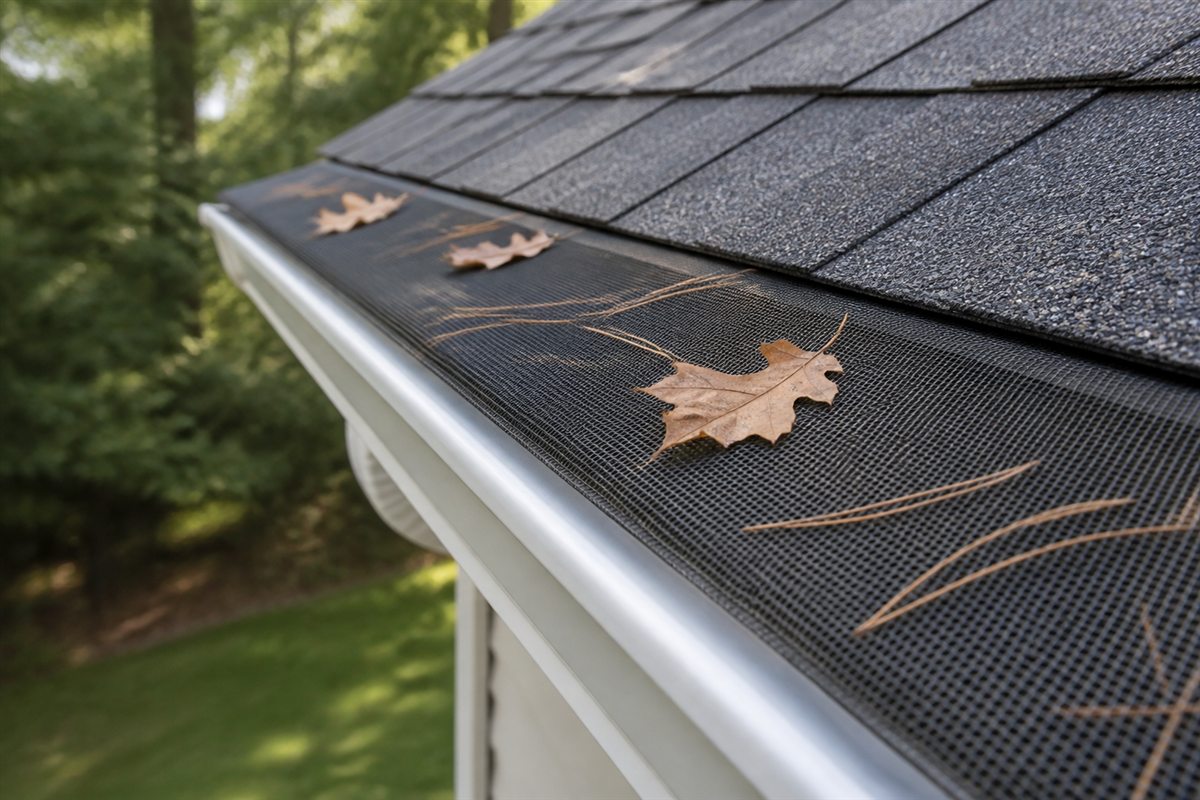
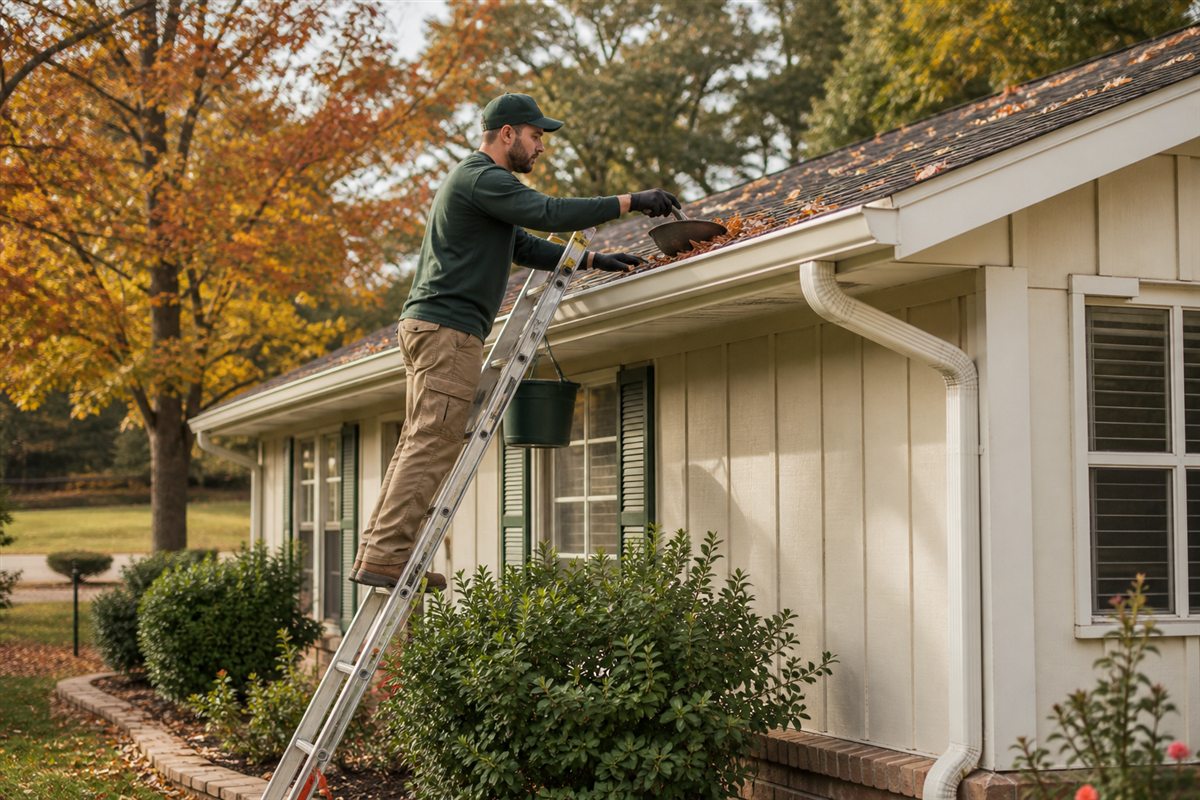
Homes near mature trees, properties with repeated clogs and difficult second-story access may gain meaningful maintenance reduction from a well-matched guard. Reduction is not elimination: every system still needs inspection.
02
Situations that depend on details
Few nearby trees, simple one-story access or debris dominated by fine needles and roof granules can change the cost-benefit calculation. Ask how the proposed product handles your actual debris.
03
Fix another problem first
Failing gutters, loose fascia, incorrect pitch and overflow caused by capacity should be corrected before guards. A cover can make troubleshooting harder if the underlying system already drains poorly.
04
What “maintenance-free” leaves out
Material can accumulate on top of guards, openings can need cleaning, and roof valleys may require special attention. Ask how the system is inspected, cleaned and removed for future roof or gutter work.
Quick comparison
Gutter guard decision matrix
Property assessment
Calculate value from debris, access and maintenance
The strongest candidates have recurring debris, a sound drainage system and cleaning access that is difficult or costly. A low-tree property with easy one-story access may gain less. Identify the number of cleanings the guard is expected to reduce and the maintenance the cover itself will still require.
Arkansas weather does not make every home an automatic guard candidate. Roof shape, nearby species, valleys and prevailing debris paths differ by lot. The product should be matched to observed material rather than selected from a broad regional claim.
- Mature trees repeatedly fill gutters or outlets
- Cleaning requires difficult high or steep access
- Existing gutters drain correctly when clear
- Fine debris type is known before product selection
- The guard can be opened or serviced
- Written warranty terms match the sales explanation
Planning the work
Compare lifetime service, not installation price alone
Estimate the cost and inconvenience of continued cleaning, then add expected guard inspection or surface service. Ask whether future gutter repairs require removing panels and who pays for that labor. A product with a long material warranty may still have limited coverage for clogs, labor or consequential damage.
Consider a trial on the most debris-prone elevation only when the system and provider allow it. Performance through a full debris season can offer better evidence than a demonstration with clean water. Avoid mixing products without understanding transitions and warranty effects.
Details to confirm before hiring
- What debris reaches this roof most often?
- Which maintenance tasks remain after installation?
- Can the gutter and outlets be inspected?
- What labor is excluded from the warranty?
- How are valleys and roof transitions handled?
- What happens if the product does not suit the debris?
Guards change maintenance; they rarely eliminate inspection. A realistic comparison includes surface debris, outlet checks, service access and the condition of the underlying gutter.
Common questions
Frequently asked questions
Do gutter guards add value on a house without many trees?
Possibly, but the economic benefit is usually weaker when debris is limited and cleaning access is easy. Evaluate actual maintenance frequency rather than choosing guards by region alone.
Can guards prevent all clogs?
No. They can reduce debris entering the gutter, but material can collect on the surface, reach outlets or enter through gaps. Inspection remains necessary.
Should old gutters receive guards?
Only after confirming that they are stable, correctly pitched, adequately sized and worth retaining. Guard cost is difficult to justify on a system close to replacement.
Editorially reviewed: August 29, 2026
Next step
Ready to discuss your gutter project?
Check whether a participating service provider is available for your ZIP code and project type.
Call for gutter help →