01
Start with individual gutter runs
Map each continuous gutter run, its approximate length and the roof surfaces that feed it. A house can have enough downspouts in total but still leave one high-flow run under-served.
02
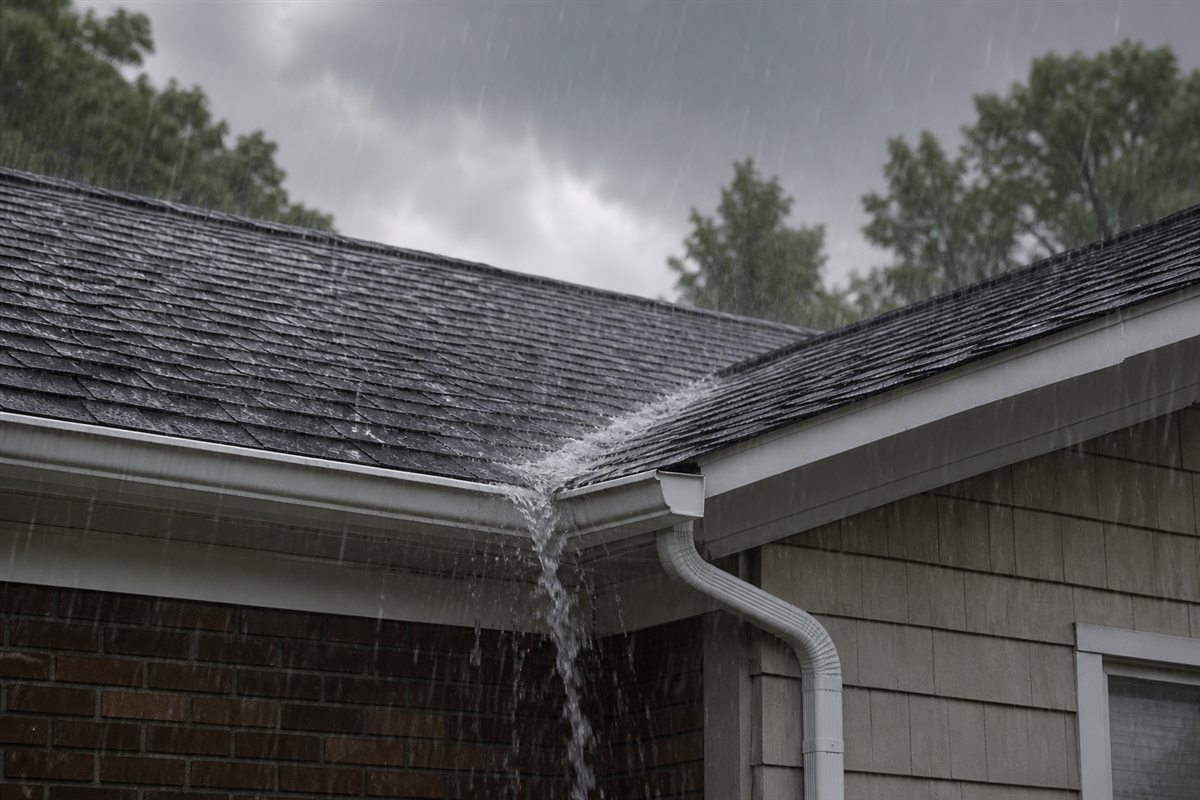
Place outlets near high-flow areas
Inside corners and valleys can concentrate water rapidly. An outlet placed far away forces that surge to travel along the run before it can drain. Layout, pitch and obstructions determine whether that is practical.
03
Outlet and downspout size matter
A larger gutter feeding a small outlet can still bottleneck. Ask which outlet opening and downspout dimensions are proposed, especially when upgrading to a higher-capacity system.
04
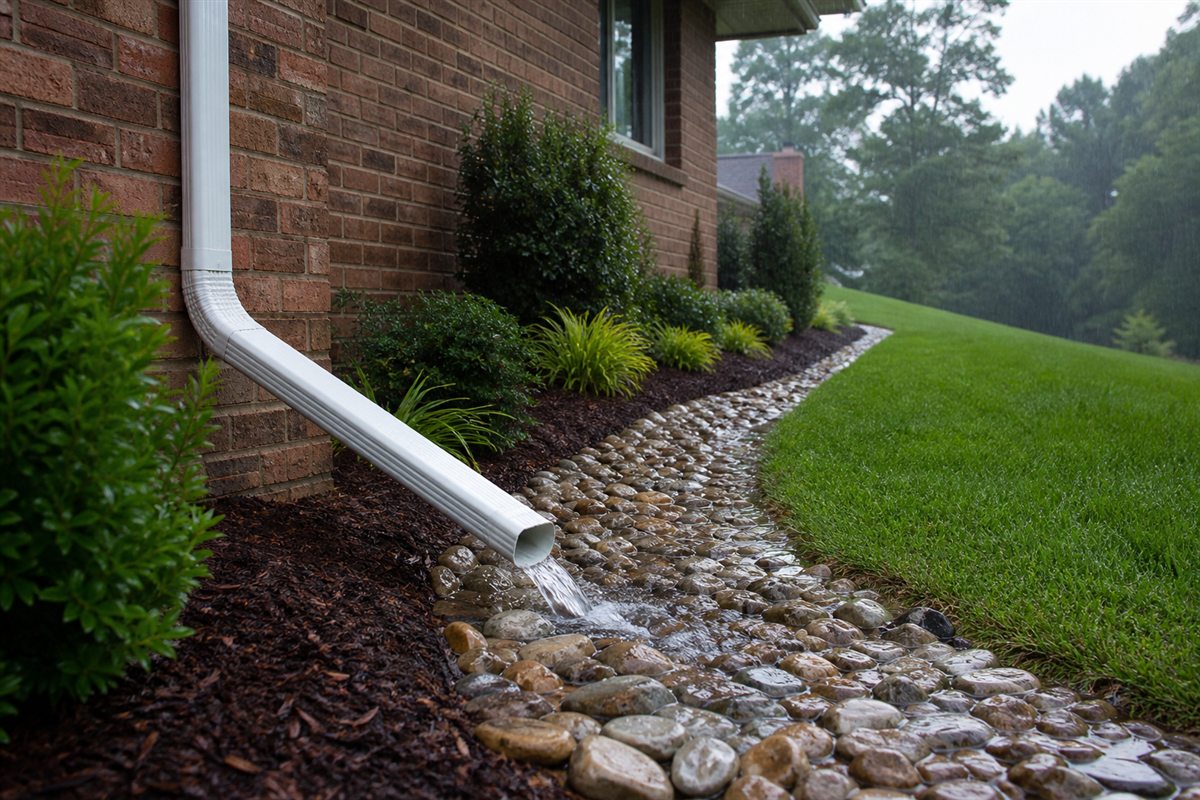
Plan the discharge path
A downspout is only useful if it sends water to a suitable location. Extensions, splash blocks, grading and approved drainage connections affect whether water moves away from the foundation rather than pooling beside it.
05
Why there is no universal house-wide count
Rules of thumb can start a conversation, but actual need changes with roof area, pitch, valleys, gutter size, outlet dimensions, run length and rainfall intensity. One long run may need two outlets while several short runs each need their own.
The final layout must also avoid unsafe discharge across walks, driveways, neighboring property or areas that already stay wet.
Property assessment
Map outlets by run, roof flow and discharge opportunity
Count continuous gutter runs and identify the roof planes that feed each one. A house-wide total can be misleading because downspouts on quiet elevations do not relieve a long high-flow run elsewhere. Valleys and upper roofs that discharge onto lower roofs deserve special attention.
Placement must also work at ground level. The hydraulically convenient corner may send water across a walkway, into a flower bed depression or toward the foundation. A practical plan balances a short flow path in the gutter with a safe, maintainable discharge route.
- One run is substantially longer than the others
- A valley enters far from the existing outlet
- Water spills above an outlet despite a clear gutter
- Downspout discharge is weak during heavy rain
- Elbows are crushed or contain tight offsets
- Ground conditions prevent water from moving away
Planning the work
Treat the outlet, downspout and extension as one path
Ask for the dimensions of the opening cut into the gutter, not just the visible downspout. The smallest restriction controls flow. Elbows, offsets, adapters and buried connections can reduce performance or collect debris even when the vertical section looks clear.
Where a second downspout is proposed, confirm how the run will be pitched and where the new discharge goes. Adding an outlet without a viable destination can trade roof-edge overflow for foundation pooling or erosion.
Details to confirm before hiring
- Which gutter run does each downspout serve?
- How are valley and upper-roof flows counted?
- What are the outlet and downspout dimensions?
- Will any run drain toward two outlets?
- Where does each extension or buried line terminate?
- How can the drain path be inspected and cleaned?
Rules of thumb can start a discussion, but roof area, pitch, valleys, run length, outlet size and rainfall intensity affect the result. A provider should explain the layout for the actual roof.
Common questions
Frequently asked questions
Can one gutter run have two downspouts?
Yes. Long or high-flow runs may benefit from outlets at both ends or from a strategically placed additional outlet, depending on pitch and discharge options.
Where should downspouts discharge?
To a suitable location that moves water away from the foundation without creating erosion, ice or pedestrian hazards and while following local requirements.
Is a bigger downspout enough to stop overflow?
It can remove an outlet bottleneck, but the gutter size, pitch, debris, elbows and final discharge path must also support the flow.
Editorially reviewed: August 29, 2026
Next step
Ready to discuss your gutter project?
Check whether a participating service provider is available for your ZIP code and project type.
Call for gutter help →